Hello, this is Dr. Soyoon Park from Cheongdam Eclat Clinic, where we help you achieve radiant skin.

Recently, Hollywood actor Brad Pitt appeared during the Wimbledon broadcast. Born in 1963, he is now in his 60s, yet he continues to maintain incredibly youthful and sophisticated skin.
It made many people wonder: how does he maintain such a youthful appearance?
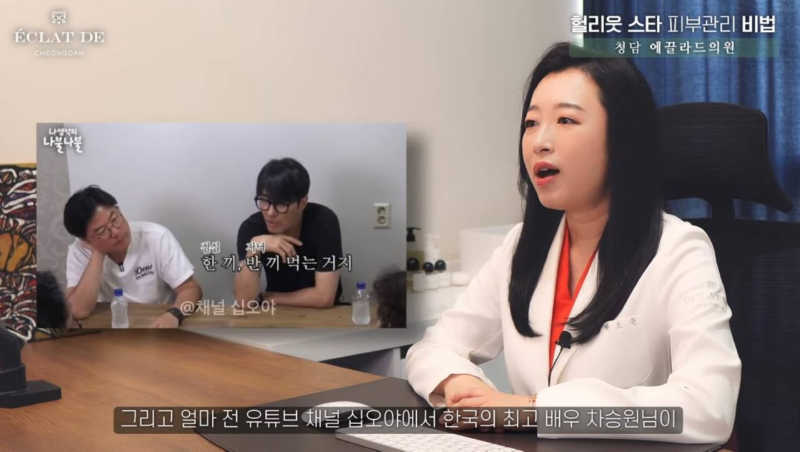
Not long ago, top Korean actor Cha Seung-won also mentioned on the YouTube channel “Channel Fullmoon” that he receives stem cell treatments.
It is now widely known among global celebrities that stem cell therapy is one of the secrets behind maintaining a youthful appearance.
In today’s video, we will explore how far stem cell technology for anti-aging has advanced, and what kinds of treatments currently exist.
What Is Stem Cell Therapy?
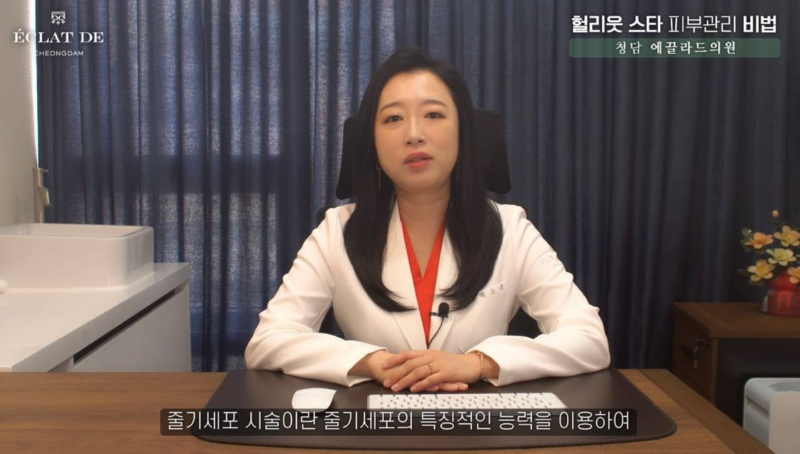
Stem cell therapy refers to medical procedures that utilize the unique regenerative abilities of stem cells to help repair damaged tissues or organs within the body.
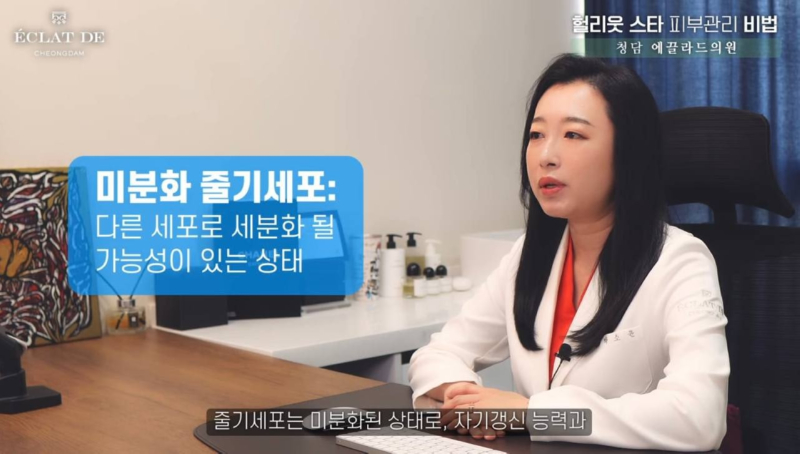
Stem cells are undifferentiated cells that possess two important abilities:
the ability to self-renew and the ability to differentiate into various types of cells.
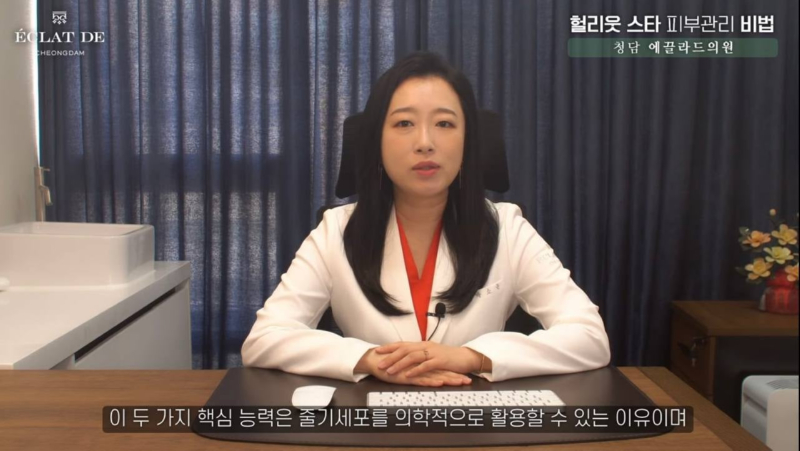
Because of these characteristics, stem cells are being actively researched for the treatment of many different diseases and conditions.
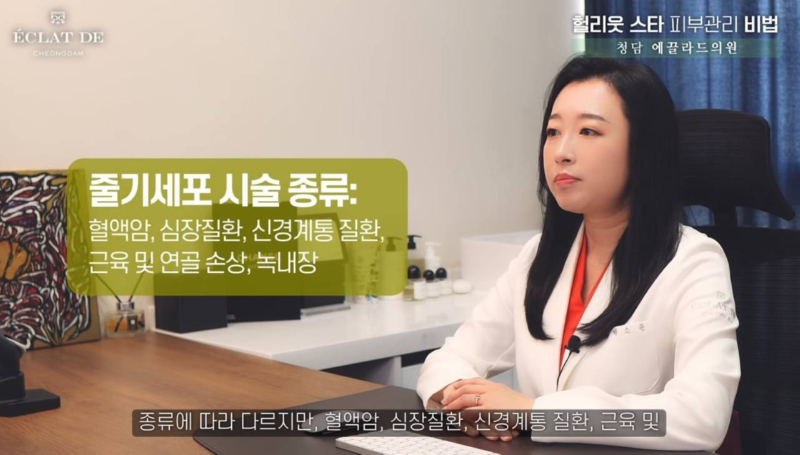
Depending on the type of therapy, stem cells are currently being studied or used for blood cancers, heart disease, neurological disorders, muscle and cartilage injuries, glaucoma, and more.
However, many stem cell therapies are still under research or regulated differently depending on the country, so professional medical consultation is essential before treatment.
What Types of Stem Cells Exist?
Stem cells can generally be divided into three categories:
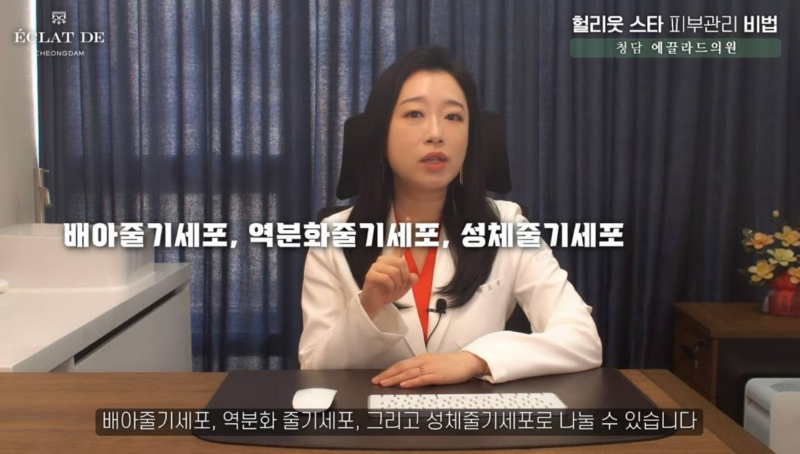
embryonic stem cells, induced pluripotent stem cells, and adult stem cells.
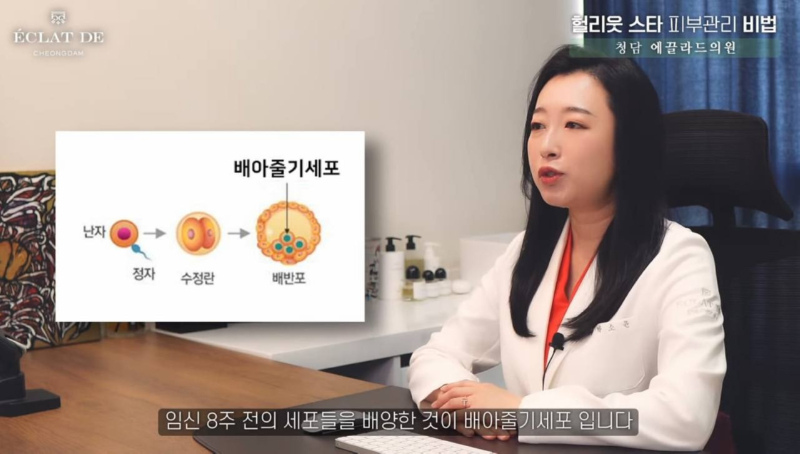
Embryonic stem cells are derived from cells before fetal development, typically before 8 weeks of pregnancy.
Because of ethical concerns and cellular instability, embryonic stem cells are currently illegal for medical use in Korea.
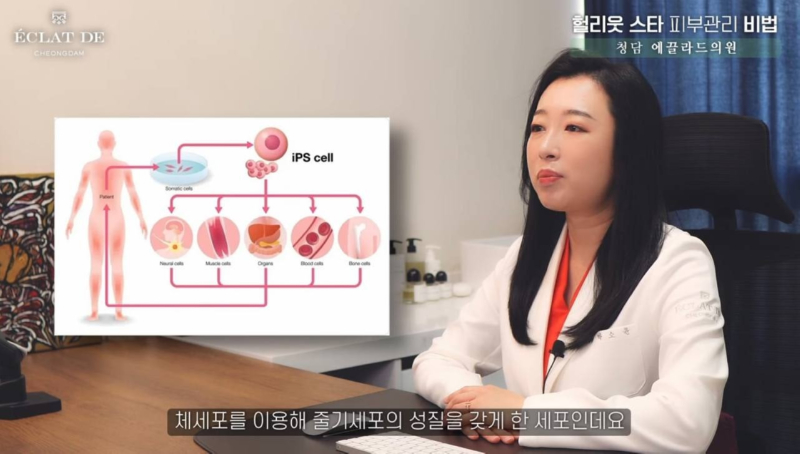
The second type, induced pluripotent stem cells, are ordinary body cells that are artificially reprogrammed to behave like stem cells.
Although scientifically significant, this method remains controversial and is not commonly used in clinical practice.
Lastly, adult stem cells are mature stem cells collected from the human body.
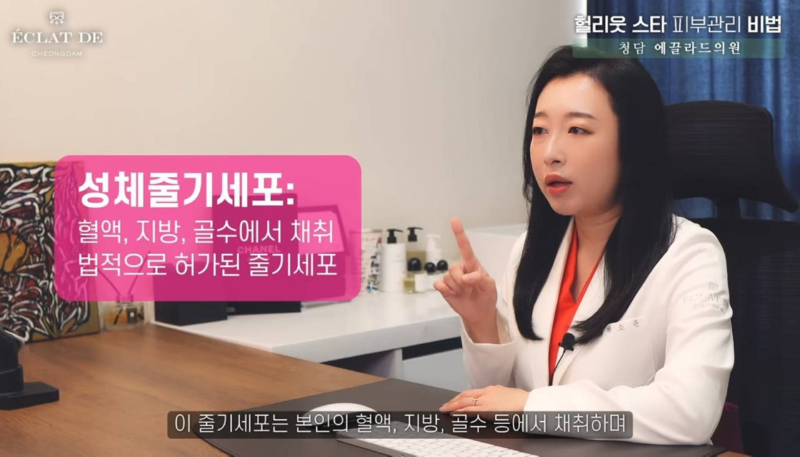
Currently, adult stem cells are the only legally approved form of stem cell treatment in Korea.
These stem cells can be extracted from a patient’s own blood, fat tissue, or bone marrow, and are widely used in medical clinics because they are legally permitted.
Adult stem cells are considered safe for the body and are currently the only approved stem cells available for clinical treatment.
Which Stem Cells Are Used for Skin Anti-Aging?
For skin anti-aging purposes, adult stem cells are primarily used.
To begin treatment, stem cells must first be collected from the patient’s own body.
Although stem cells can be obtained from blood, bone marrow, or fat tissue, fat tissue is the easiest and richest source.
Fat-derived stem cells possess three important characteristics.
First, they can differentiate into multiple cell types and release various growth factors that help with wound healing and tissue regeneration.
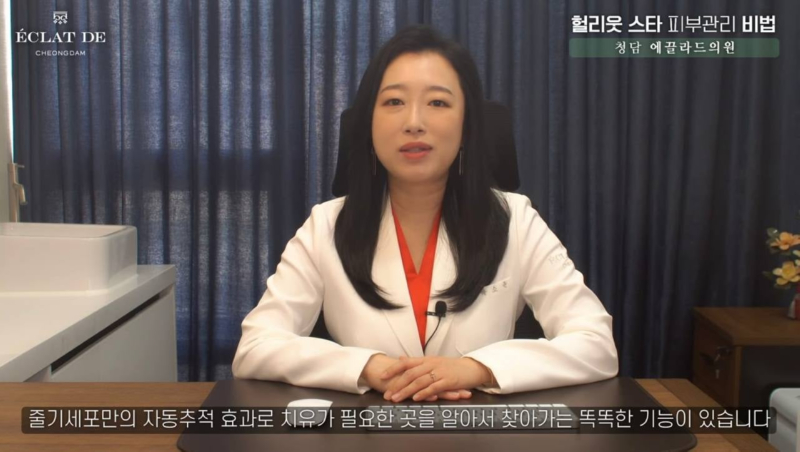
Second, they have what is called a “homing effect,” meaning they can naturally locate damaged or weakened areas in the body that require repair.
Third, fat cells release tiny extracellular vesicles called exosomes, which help regulate the immune system and may improve autoimmune or allergic responses.
Many people have heard about exosomes being beneficial for the skin.
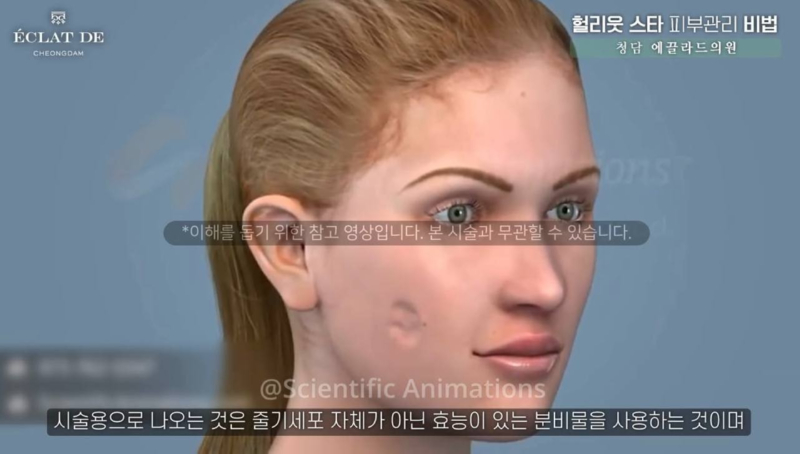
Most exosome treatments used clinically today utilize the secreted substances from stem cells rather than the stem cells themselves.
Stem cells may also be directly injected into areas requiring regeneration or administered intravenously through IV therapy.
Some patients worry that injected cells may simply disperse throughout the body and disappear.
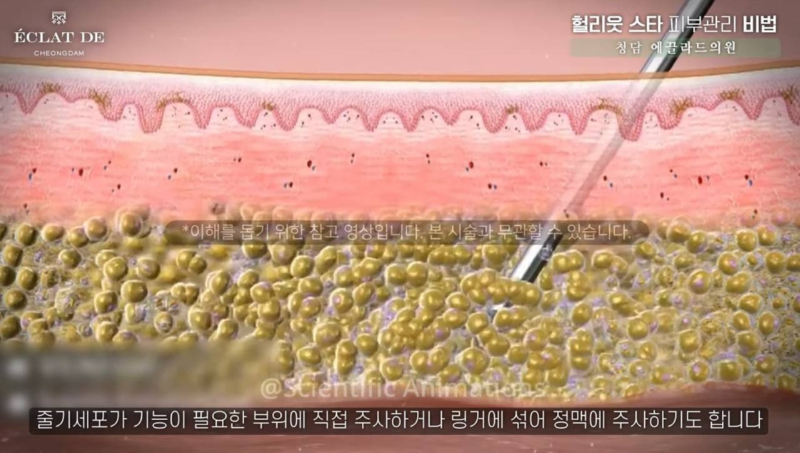
However, stem cells possess the homing effect, allowing them to naturally migrate toward areas in need of healing.
Is Stem Cell Therapy Safe?
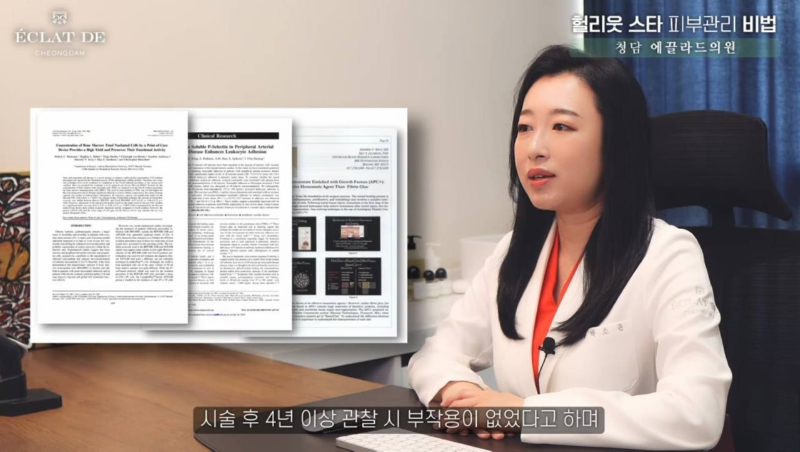
Recent studies on stem cell safety have shown no significant side effects even after follow-up periods exceeding four years.
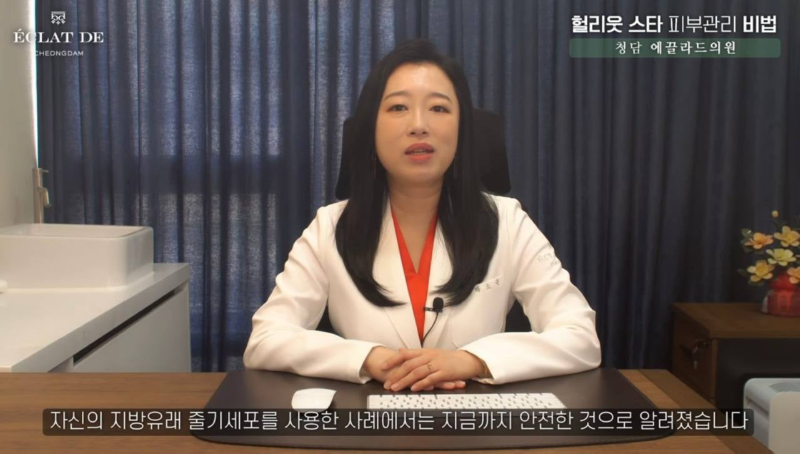
Using another person’s stem cells may involve risks such as immune reactions or disease transmission.
However, treatments using a patient’s own fat-derived stem cells have so far been considered safe.
Another advantage of fat-derived stem cells is that they are abundant enough to be used without extensive laboratory culturing.
Naturally extracted stem cells are generally considered more biologically active than repeatedly cultured cells.
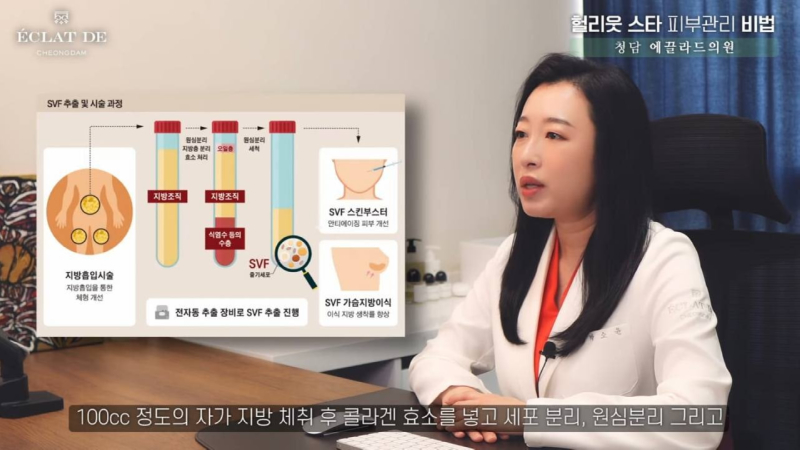
Typically, approximately 100cc of the patient’s fat is collected.
Collagenase enzymes are then used, followed by cell separation, centrifugation, washing, and filtering processes to isolate pure stem cells.
Because the entire process occurs within a single sterile device, the risk of contamination or infection is extremely low.
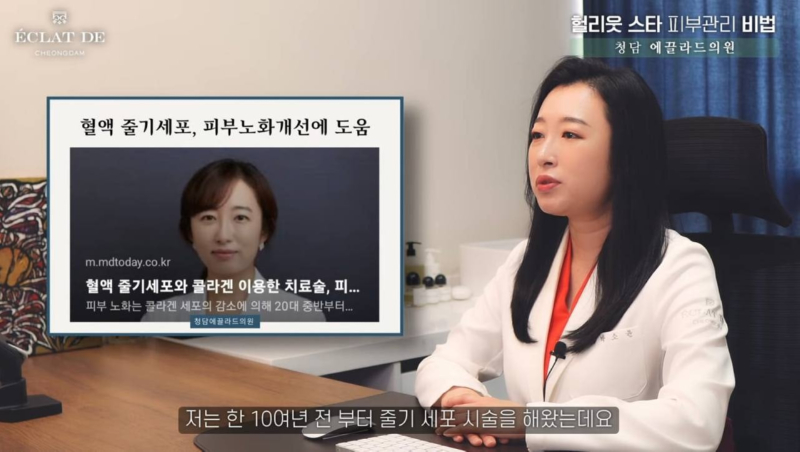
I have personally been performing stem cell procedures for over 10 years.
In the past, I often combined fat-derived stem cells with fat grafting procedures or used stem cells independently.
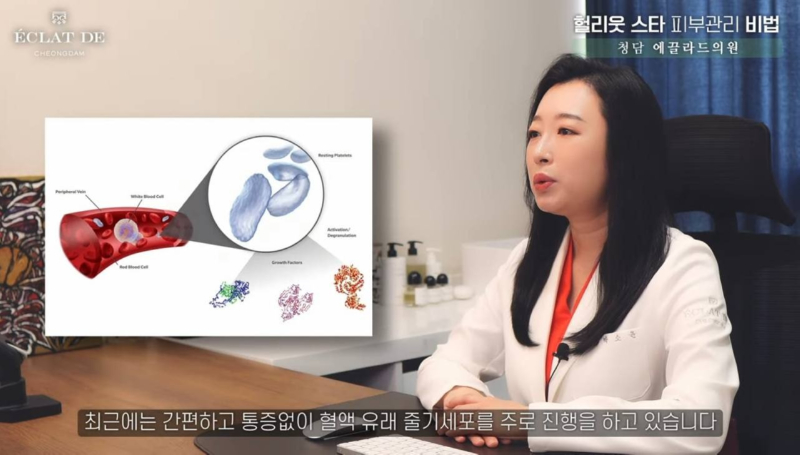
Recently, I have mainly focused on blood-derived stem cell treatments because they are simpler and involve minimal discomfort.
When combined with hyperbaric oxygen therapy and other anti-aging procedures, the synergy can be even greater.
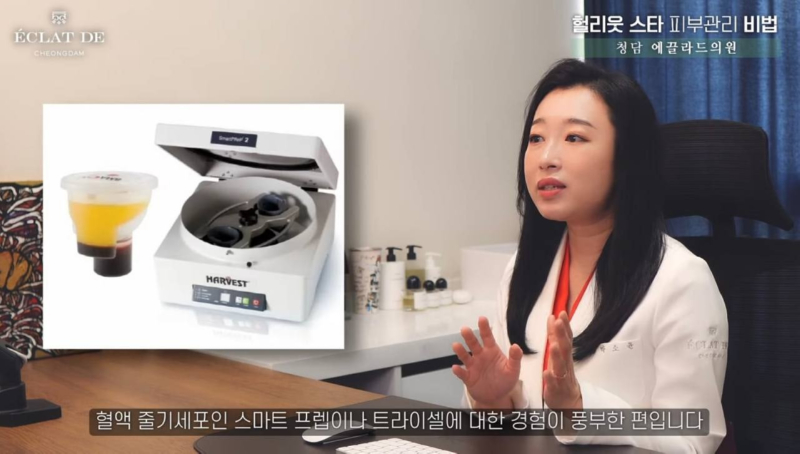
I also have extensive clinical experience with blood stem cell systems such as SmartPrep and TriCell.
I have even presented clinical experiences using TriCell at academic conferences.
Blood collection volumes can range from 30cc to 240cc depending on the treatment.
Using specialized equipment, stem cell marker-rich fractions containing CD34+ cells are extracted and administered to various treatment areas.
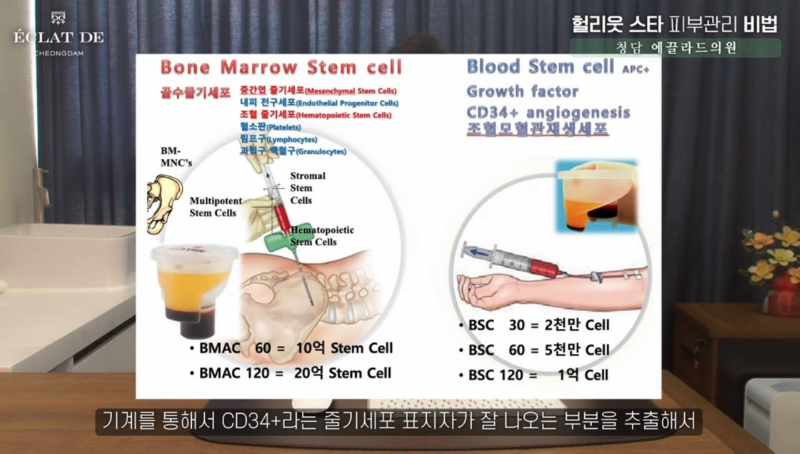
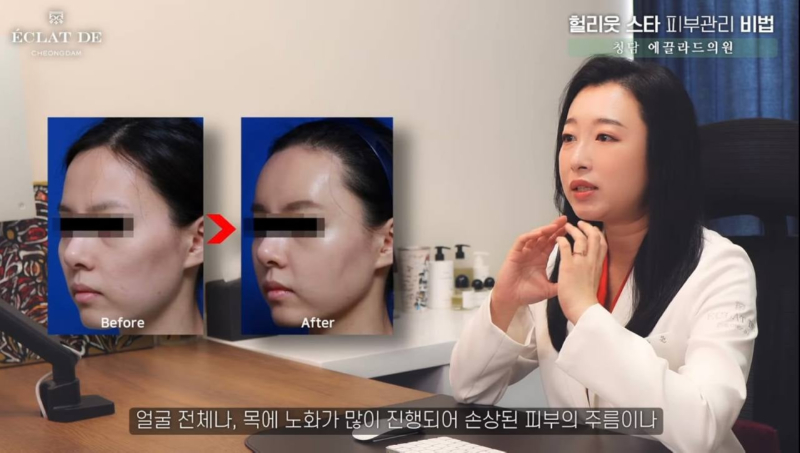
These treatments may be applied locally to aging skin on the face or neck to improve wrinkles, pigmentation, and damaged skin quality, or administered intravenously for full-body anti-aging care.
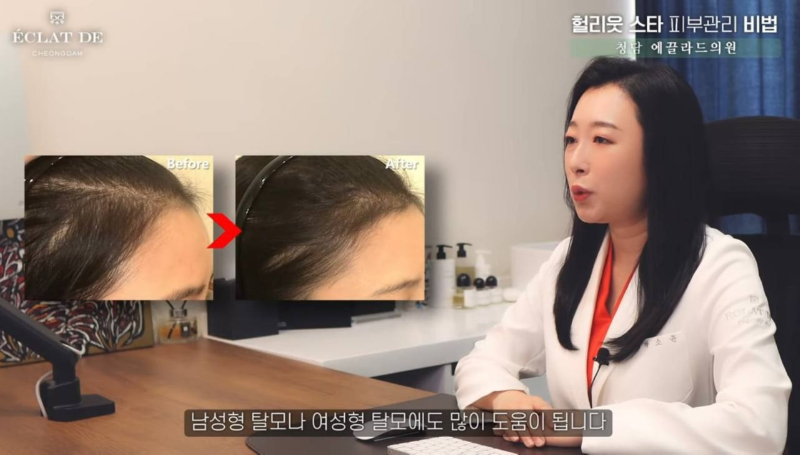
Stem cell therapy may also help both male and female pattern hair loss.
One recent patient underwent stem cell therapy after a hair transplant, and we observed reduced hair shedding and healthier graft survival, leading to very satisfying results.
Today, we discussed anti-aging treatments using stem cells.
Sometimes online advertisements claim that stem cell supplements or cosmetics can cure every disease or reverse aging within days.
Please be cautious of exaggerated marketing claims.
However, properly regulated stem cell treatments performed safely in licensed medical institutions may provide meaningful benefits for anti-aging care.
Thank you for watching, and we will see you again in the next video with more helpful information.
 Thank you.
Youtube video Link :
#StemCellTherapy #StemCells #AntiAging #SkinRejuvenation #ExosomeTherapy #RegenerativeMedicine #KoreanDermatology #KBeauty #SkinCare #CollagenBoost #YouthfulSkin #CelebritySkinCare #BradPitt #HairRestoration #AntiAgingTreatment #SkinClinic #GlowSkin #LuxuryAesthetics #Cheongdam #EclatClinic